Table of contents
Modern forestry equipment is transforming the world of logging, making operations faster, safer, and more eco-friendly than ever before. As technology continues to advance, a wide range of innovative machines and tools are streamlining every stage of the process, from tree felling to transportation. Dive into the following sections to discover how these advancements are reshaping the logging industry and boosting productivity in remarkable ways.
Cutting-edge harvesting machines
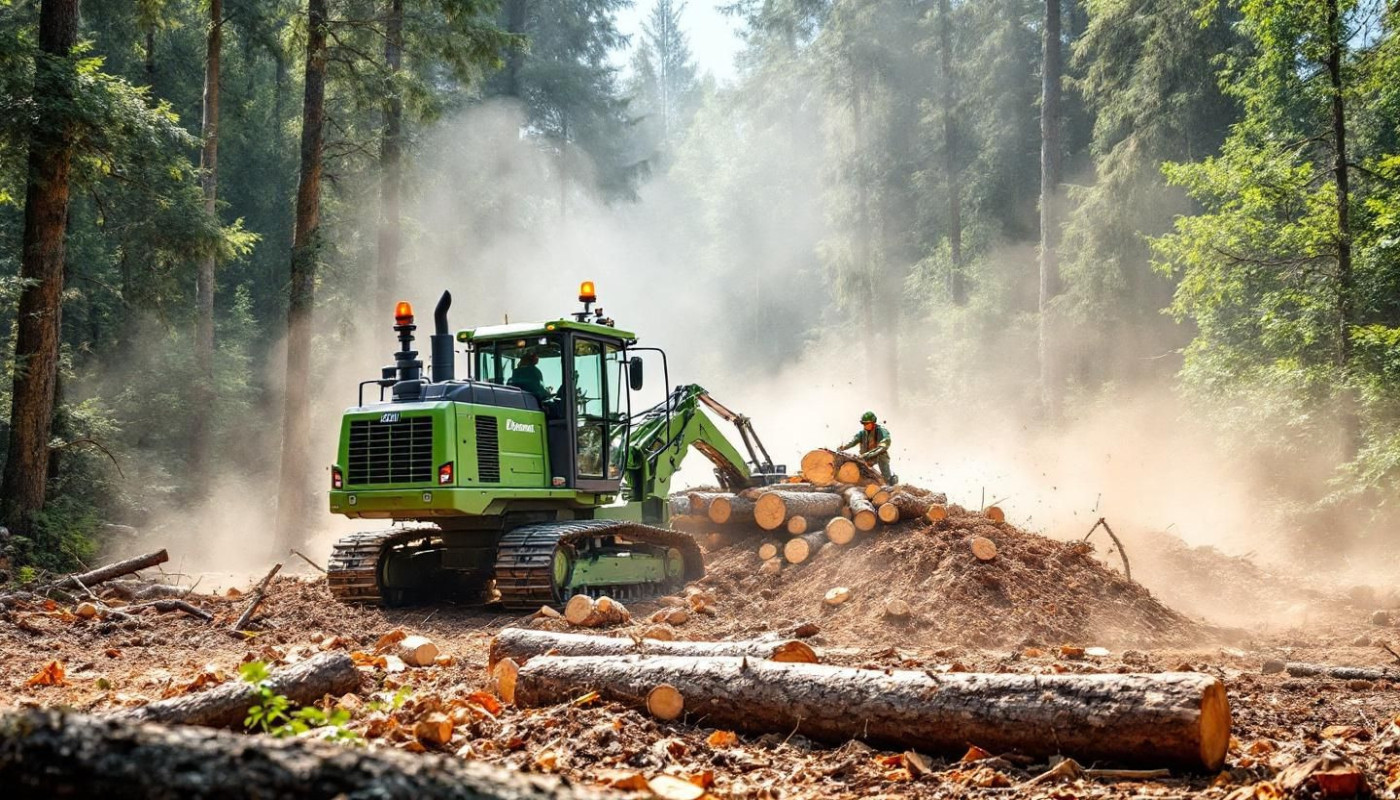
Forestry equipment has undergone significant advancements, transforming traditional logging with the introduction of mechanized harvesting. In the past, manual labor dominated tree felling, but modern logging machines such as harvesters and feller bunchers now perform these tasks with far greater speed and accuracy. These sophisticated machines are designed with automated cutting systems that allow precise measurement and selection of trees, which minimizes waste and optimizes yield. Operator cabins in these machines feature climate control, ergonomic seating, and user-friendly digital interfaces, greatly reducing fatigue and improving safety conditions for workers. As a result, forestry equipment not only boosts logging efficiency but also ensures more consistent and sustainable tree felling practices.
Mechanized harvesting offers enhanced precision in both tree selection and on-site processing, allowing logging operations to adapt to environmental and regulatory requirements. Logging machines today are equipped with sensors and GPS-based monitoring, making it possible to track productivity and reduce environmental impact. These technological improvements have led to a notable increase in output and a reduction in workplace accidents, as fewer workers are exposed to direct risks associated with traditional manual felling. By integrating these advanced features, modern forestry equipment sets new standards for efficiency and safety within the logging industry.
Advanced log transportation methods
Modern timber transport relies heavily on advanced machinery such as log forwarders and skidders, which are now routinely outfitted with GPS and load optimization technology. These technological enhancements allow for precise tracking of log locations and efficient planning of routes along forest roads, significantly reducing the time and resources required to move timber from felling sites to processing facilities. Additionally, equipment like the grapple loader enables rapid loading and unloading of logs, minimizing the need for extensive manual labor. This mechanized approach not only accelerates productivity but also contributes to sustainable logging by minimizing soil compaction and ground disturbance, as machinery can be guided on predefined paths and loads can be distributed more evenly across the terrain.
With GPS-enabled skidders and log forwarders, logistics officers can monitor real-time progress and adjust deployment to maximize efficiency. Load optimization systems calculate the best ways to stack and transport timber, ensuring fewer trips are required, which cuts fuel consumption and reduces environmental footprint. Such precise control reduces the impact on sensitive ecosystems, supporting the long-term viability of logging operations and compliance with regulatory requirements for forest management.
The use of grapple loaders in conjunction with these transport vehicles streamlines the entire handling process. Logs are lifted and placed with accuracy, reducing the risk of damage to both timber and the surrounding environment. This level of precision is especially valuable when operating in challenging terrains where traditional techniques would result in greater ecological disturbance. As a result, machinery innovations contribute to safer, more predictable, and environmentally conscious operations throughout the timber supply chain.
For forestry professionals and organizations seeking to enhance operations through cutting-edge equipment, it is recommended to click this over here now. This resource provides insight into machinery suited for sustainable and efficient timber transport, connecting logging operations with technology that drives productivity and environmental responsibility.
Precision through digital monitoring
Modern forestry relies heavily on digital forestry tools for forest monitoring and resource management. Logging technology now frequently incorporates real-time data tracking and telematics systems, which provide continuous streams of information on equipment location, fuel consumption, and operational status. Mapping software overlays these data points to support precise planning, enabling more efficient allocation of resources and intelligent scheduling of tasks. Digital forestry systems also issue automated maintenance alerts, helping prevent unexpected breakdowns and keeping equipment maintenance on schedule. With these advancements, logging operations experience reduced downtime, better forest monitoring, and improved sustainability. Insights from a digital forestry technology specialist emphasize that these technologies not only enhance operational efficiency but also allow for more responsible, data-driven decision making in the management of forest resources.
Eco-friendly logging practices
Modern forestry equipment significantly advances sustainable forestry by integrating eco-friendly machinery designed to support low-impact logging. New machines employ advanced hydraulic systems and lightweight materials to reduce soil compaction, a factor that preserves soil structure and health, promoting long-term forest regeneration. Emission controls and hybrid engines also contribute to lower greenhouse gas outputs, addressing concerns about air quality and climate impact. Selective harvesting technology, such as precision felling heads and GPS-guided harvesters, allows operators to remove only mature or diseased trees, safeguarding younger growth and maintaining biodiversity. In sum, the careful balance between increased productivity and forest conservation is achieved through the thoughtful integration of eco-conscious features, ensuring that ecosystem preservation remains central to modern mechanized logging.
Operator safety and comfort enhancements
Modern forestry equipment integrates a range of advanced ergonomic designs and safety features to address the demanding conditions of logging. Operator safety is now prioritized through innovations such as climate-controlled cabs, which maintain optimal temperatures and reduce exposure to dust, fumes, and extreme weather. These cabs are constructed with noise reduction technology, significantly lowering the risk of hearing damage by dampening the harsh sounds of heavy machinery. Enhanced forestry ergonomics are evident in the adjustable suspension seats and intuitive control layouts, which minimize operator fatigue and musculoskeletal strain during long shifts in the forest.
Logging automation represents a key development in safe logging practices, reducing the need for manual intervention in hazardous zones and allowing operators to monitor and control equipment from within protected environments. Advanced control systems provide real-time feedback and precision, improving accuracy in handling logs and machinery. The integration of rollover protective structure (ROPS) technology is another vital safety measure, designed to shield operators from injury in the event of equipment overturns. These combined measures promote logging operator health and well-being, ensuring that productivity gains are matched with comprehensive protection against the specific risks of the forestry environment.
Similar

How To Choose The Best Handheld Gaming Device For You

How Digital Planners Revolutionize Productivity For Modern Users

Benefits Of Taking A Fast And Efficient Intelligence Test

Exploring the Scientific Advancements in Medical Cannabis Through the Lens of Intellectual Property Rights

Advancements in High-Tech Equipment for Early Detection of High Altitude Cerebral Oedema

AI and GPT Chatbots: Predicting the Future of Tech
